
Industrial reverse engineering: when to use it and when to avoid it
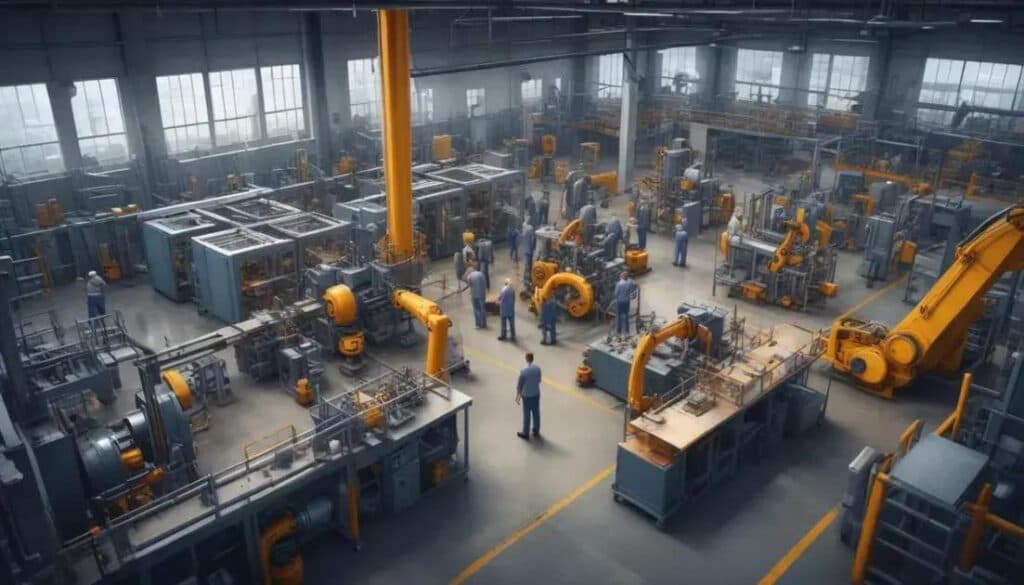
Have you ever wondered when industrial reverse engineering is really a good idea? This technique can be a great help in understanding products and processes, but it also hides pitfalls that make us rethink how it is applied. Is it worth it in your case?
why industrial reverse engineering is useful
Industrial reverse engineering is useful because it allows a detailed understanding of existing products, which makes it easier to reproduce or improve parts and systems. This technique, which consists of disassembling and analyzing how components work, is valuable for improving industrial processes, especially when the original documentation is unavailable.
In addition, using reverse engineering can reduce development cost and time, since it avoids the need to create something from scratch. However, attention must be paid to copyright and patents, since the practice must respect current legal standards. Because of this, companies often use this approach ethically, focusing on innovation and product customization.
In short, this technique favors continuous improvement and technical learning within industries. It is fundamental for adapting products to new market needs or for replicating parts that are out of production. Therefore, reverse engineering is a strategic tool that, when used correctly, offers real competitive advantages.
risks and limitations when applying reverse engineering
Applying industrial reverse engineering involves several risks and limitations that need to be carefully evaluated. First, there are important legal issues, since copying or reproducing components without authorization can infringe patents and copyrights. Because of this, it is essential to ensure that the use of this practice complies with current legislation to avoid lawsuits.
In addition, reverse engineering can be limited by the quality of the original parts analyzed. Damaged or worn products can generate inaccurate data, which compromises the final result. However, advanced technology, such as 3D scanning, has been helping to mitigate this problem, although it does not entirely eliminate uncertainties.
In short, another limitation is related to the complexity of some systems, which may demand a high level of technical knowledge and considerable time for analysis. This can increase costs and delay projects, making reverse engineering unfeasible in certain cases. Therefore, it is essential to weigh these factors before choosing this approach.
cases in which reverse engineering is best avoided
There are specific situations in which it is best to avoid reverse engineering, mainly because of the legal and technical risks involved. First, when the original product is protected by patents, using reverse engineering can lead to lawsuits, which makes the practice unfeasible. For this reason, it is imperative to check the legislation before moving forward.
In addition, the complexity of some systems can make faithful reproduction of components difficult, which leads to inaccurate results that compromise the quality of the final product. However, this limitation can lead to rework and increased costs, causing notable setbacks in the production schedule.
In short, projects that demand a high degree of innovation or involve high confidentiality are poorly suited to reverse engineering. In this context, the technique can expose trade secrets and harm the company's competitiveness. Therefore, choosing original development methods is safer and more effective when these conditions are present.