
Localization of Components and Parts in Reverse Engineering
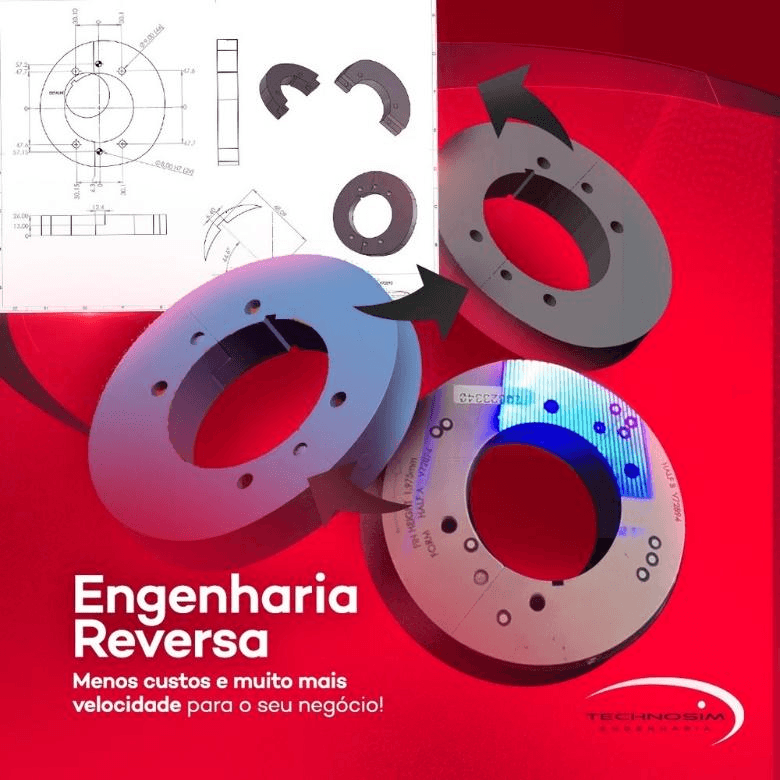
The concept of component localization and parts in reverse engineering is the practice of developing products and services based on models of existing products.
It is a very useful approach for companies that want to develop products without having to go through the process of creating from scratch, or that have items that are imported or discontinued.
Component localization goes hand in hand with reverse engineering, since this process is an excellent way to extract existing products.
This can lead to cost reduction, since there is no need to develop new components and parts, nor to conduct extensive research to find solutions.
Localization also helps companies stay ahead of the competition, since they can use reverse engineering to improve existing products.
One of the main advantages of localization is that it is cheaper than developing new products. It is also faster, since it does not involve developing new parts or testing several versions of a prototype. This means companies can start producing their products much sooner than if they had to develop new components and parts from scratch.
In addition, localization helps companies produce higher-quality products. By studying existing products, engineers can identify frequent problems and improve their products to avoid them.
Component localization and parts in reverse engineering is a great way to improve existing products and processes.
It allows companies to save time and money, while still producing higher-quality products.
How does the process of localizing parts and equipment in engineering work?
The process of localizing parts and equipment in engineering is the process of developing quality technologies, equipment, and parts for domestic industry, with the goal of reducing dependence on imports of equipment and parts from other countries.
This process begins with the development of designs for equipment and parts.
These designs are then approved by technical committees, which evaluate the project's feasibility and its compliance with the required quality standards. After approval, the designs are submitted to manufacturing companies, which produce the equipment and parts in accordance with the established requirements.
During the process of localizing parts and equipment, companies must follow strict quality standards, established by the government regulatory body.
These standards set requirements for all aspects of production, including the materials used, the facilities, product quality, and testing processes.
After manufacturing, the manufactured equipment and parts must undergo a rigorous testing and certification process, to ensure that they meet safety and quality requirements.
If the equipment or part passes the tests, manufacturers receive a production license, which gives them the right to produce the products in the country.
The localization process is an important step in the development of domestic industry. By localizing equipment and parts, domestic companies gain access to quality products, in a way that ensures their competitiveness in the market.
In addition, the localization of parts and equipment contributes to job creation in the industrial sector, thus helping to improve the national economy.