
Rolling
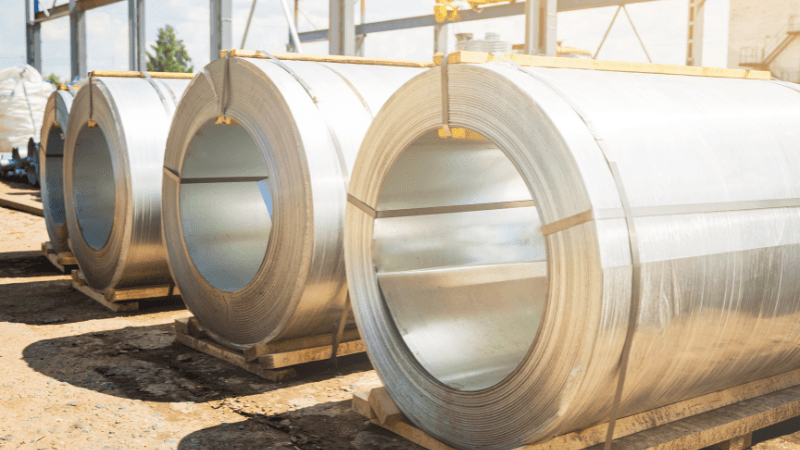
Lamination is the process of passing a material between rollers to reduce its thickness (metal rolling) or of covering it with a protective film (lamination of printed materials and packaging).
This article explains both uses, the steps of the industrial process, and how simulation and 3D scanning help control metal rolling.
What Is Lamination?
The lamination is a process that involves applying a layer of transparent plastic material over the surface of a document, print, photograph, or other printed material.
This plastic material, usually called laminating film, is bonded to the surface of the base material using heat and pressure. The result is a protective layer that improves the appearance, strength, and durability of the underlying material.
Laminating film is usually made of polyethylene, polypropylene, polyester, or PVC. It is available in various thicknesses and finishes, from matte to glossy, to meet different aesthetic and functional needs.
How Does the Lamination Process Work?
The lamination process is relatively simple, involving the following steps:
Materials Needed:
Material to be laminated (print, document, photograph, etc.)
Laminating film
Laminating machine
Steps:
- Place the material to be laminated in the laminating machine, aligning it carefully to make sure it is centered and free of wrinkles.
- Cut a piece of laminating film to the right size to completely cover the material to be laminated.
- Feed the laminating film into the machine, positioning it above the base material.
- Start the laminating machine, which applies heat and pressure to the laminating film. The heat activates the film's adhesive, which bonds to the surface of the base material.
- As the laminated material passes through the machine, it is cooled and pressed to ensure a strong bond.
- After the lamination process, the laminated material is cut, resulting in a high-quality, durable final product.
Applications of Lamination
Lamination has a wide range of applications in many industries. Some of the main areas where lamination is commonly used include:
Graphic Design and Printing
Book covers and planners laminated for greater durability.
Business cards and promotional materials laminated for protection against wear.
Posters, maps, and banners laminated to preserve colors and graphics.
Packaging
Food and product packaging laminated for protection against moisture and damage.
Labels and tags laminated for water resistance and durability.
Important Documents
Legal documents and contracts laminated for long-term protection.
ID cards and certificates laminated to prevent damage and fading.
Photography Industry
Photographs laminated to preserve colors and prevent wear over time.
Stationery Industry
Notebooks, planners, and school supplies laminated for greater durability.
Card Production
ID cards, business cards, and memory cards laminated for durability.
Advantages of Lamination
Lamination offers a number of significant advantages, including:
Protection
The main function of lamination is to protect the base material from wear, moisture, stains, and fading. This is especially important for documents and valuable materials.
Durability
The lamination layer adds strength and durability to the material, extending its service life and reducing the need for frequent replacement.
Aesthetic Enhancement
Lamination can enhance the appearance of a material, making colors more vibrant and graphics sharper. This is particularly useful in graphic design and printing.
Water and Moisture Resistance
Lamination creates a waterproof barrier that protects the base material from damage caused by liquids and moisture.
Easy Cleaning
Laminated materials are easy to clean, making them ideal for use in environments prone to dirt and stains.
Steps of the Lamination Process
Lamination is a process widely used in many industries to protect printed materials and packaging, improve their appearance, and extend their service life. To better understand the lamination process, it is essential to know its fundamental steps. Let us explore the steps of the lamination process and how they contribute to creating high-quality laminated products.
Material Preparation
The first step of the lamination process involves preparing the base material to be laminated. This can include documents, prints, photographs, labels, or packaging. It is essential to make sure the material is clean and well aligned before proceeding.
Cutting the Laminating Film
The next step is to cut a piece of laminating film to the right size to completely cover the base material. Laminating film is usually made of polyethylene, polypropylene, polyester, or PVC. The choice of laminating film material depends on the specific needs of each application.
Feeding into the Laminating Machine
The base material and the laminating film are fed into the laminating machine. It is crucial to align the base material and the laminating film to make sure they are centered and free of wrinkles. The laminating machine is equipped with pressure rollers and heated cylinders that play a key role in the process.
Activating the Laminating Film
Heat and pressure are applied as the material passes through the laminating machine. The heat activates the adhesive layer on the laminating film, which bonds to the surface of the base material. This process creates a secure bond between the film and the base material.
Cooling and Cutting
As the laminated material passes through the machine, it is cooled and pressed to ensure a strong, uniform bond. After the lamination process, the laminated material is cut to the desired sizes, resulting in high-quality, durable final products.
Final Inspection
A final inspection is carried out to make sure the laminated material meets the established quality standards. This includes checking for the absence of bubbles, wrinkles, or any imperfections in the lamination.
The end result of lamination is a protected, enhanced material, ready for use in many applications, such as graphic design, packaging, important documents, and more.
How Does the Industrial Lamination Process Work?
Industrial lamination is a technique widely used in many industries to improve the quality and durability of laminated products, such as packaging, labels, tags, and printed materials. Let us explore how the industrial lamination process works, the technologies involved, and its applications in a variety of sectors.
Material Preparation
The industrial lamination process begins with preparing the material to be laminated. This can include printed sheets, labels, plastic films, or packaging. The material must be inspected for wrinkles, dirt, or imperfections before proceeding.
Choosing the Laminating Film
The next step involves selecting the appropriate laminating film. Laminating films are usually made of polyethylene, polypropylene, polyester, or PVC. The choice of film depends on the specific needs of the project, including the level of protection required and the desired appearance.
Feeding into the Laminating Machine
The base material and the laminating film are fed into an industrial laminating machine. These machines are designed to process large volumes of material efficiently. Proper alignment is essential to make sure the material is laminated evenly.
Applying Heat and Pressure
The industrial laminating machine applies heat and pressure to the material as it moves through the process. The heat activates the adhesive layer on the laminating film, which bonds to the surface of the base material. The pressure ensures a secure, uniform bond.
Cooling and Cutting
After the lamination process, the laminated material goes through a cooling stage. This is important to make sure the lamination is fully set and that there is no deformation of the material. The laminated material is then cut to the desired sizes, resulting in finished products ready for use.
Quality Inspection
A final inspection is carried out to make sure the laminated material meets the established quality standards. This includes checking for bubbles, wrinkles, or any defects in the lamination.
The industrial lamination process offers a number of advantages, such as protection of the base material, aesthetic enhancement, and durability. This technique is widely used in many industries, including packaging, printing, labeling, and more.
How Does Simulation Software Make a Difference in the Lamination Process?
Simulation plays a crucial role in optimizing industrial processes, including the lamination process. Using simulation software can make a difference by improving the efficiency, quality, and safety of the lamination process. Let us explore how simulation software is applied to the lamination process and the advantages it offers.
Modeling the Lamination Process
Simulation software lets you create virtual models of the lamination process. These models include all the components of the laminating machine, such as rollers, pressure cylinders, and the heating and cooling systems, among others. Detailed modeling of the process makes it possible to understand how each component affects the final result.
Performance Analysis
Simulation provides the ability to carry out detailed performance analyses of the lamination process. This includes studying critical variables such as temperature, pressure, and speed. Engineers can adjust these variables virtually to optimize process performance.
Identifying Potential Problems
Simulation software makes it possible to identify potential problems in the lamination process before they occur in reality. This saves time and resources by avoiding errors and rework.
Material Optimization
Simulation helps in selecting and optimizing lamination materials, making sure the most suitable materials are chosen for each application. This includes choosing the type of laminating film and its thickness.
Training and Development
Simulation is a valuable tool for operator training and the development of new processes. Operators can gain experience in a virtual environment before working with real machines.
3D Scanner and Reverse Engineering
The 3D scanning plays an important role in the reverse engineering process, especially in modeling and reproducing complex parts. The 3D scanner is used to accurately capture the geometry of a physical object and create a 3D digital model. This is particularly useful when you want to reproduce an old machine part, a prototype, or a custom object.
The reverse engineering process involves the following steps:
Data Capture
The 3D scanner is used to digitize the physical object and capture accurate data about its shape and geometry.
Creating the 3D Model
The data captured by the 3D scanner is used to create a 3D digital model of the object. This model can be edited and refined as needed.
3D Printing or Reproduction
The 3D model can be used to print an exact replica of the original object on a 3D printer. This is especially useful for reproducing machine parts or custom objects.
Applications of Reverse Engineering
Reverse engineering has a wide range of applications in many industries. Some examples include:
- Reproduction of parts from old or obsolete machines.
- Development of prototypes from existing objects.
- Customization of consumer items, such as jewelry or accessories.
- Repair and maintenance of industrial equipment.
- The use of 3D scanners and reverse engineering is valuable for companies and individuals who want to replicate or customize complex objects effectively.