
3D Prototyping: What It Is and How It Works
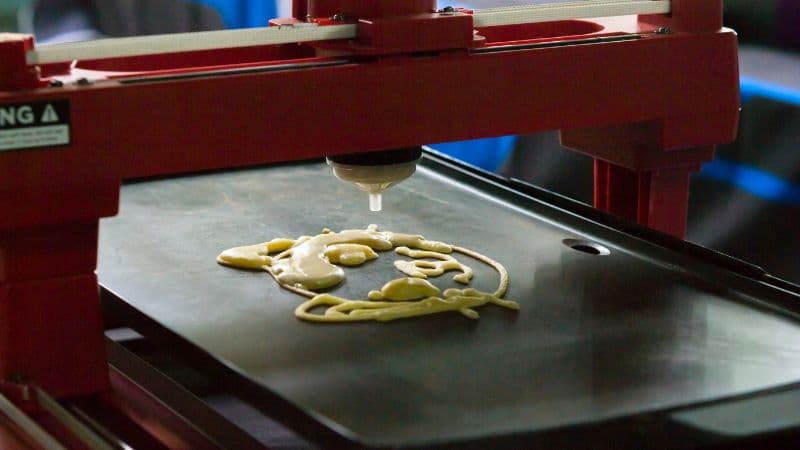
3D prototyping is one of the most exciting technologies of the 21st century. It has the power to transform the product design and development process, allowing innovative ideas to leave the drawing board and become reality faster and more efficiently.
In this article, we will talk about 3D prototyping in detail, discussing what it is, how it works, its applications, its advantages, and how this technology is revolutionizing industry.
What Is 3D Prototyping?
3D prototyping, also known as 3D printing, is a technology that allows three-dimensional objects to be created from digital models.
Unlike traditional manufacturing methods, in which objects are molded, cut, or machined from blocks of raw material, 3D prototyping builds objects layer by layer, adding material according to the specifications of the digital model.
How Does 3D Prototyping Work?
The 3D prototyping process involves several steps:
- Digital Design: The first step is to create a digital model of the desired object. This is done using 3D modeling software, where the designer creates the detailed design of the part.
- Print Preparation: The digital model is prepared for printing, which involves slicing the model into layers and setting print parameters such as resolution and material.
- Material Selection: The choice of material depends on the type of object being created. Plastic, metal, ceramic, resin, and even biological materials can be used in 3D printing.
- 3D Printing: The 3D printer builds the object layer by layer, adding material according to the digital model's instructions. This can be done using various methods, such as stereolithography (SLA), selective laser sintering (SLS), or fused deposition modeling (FDM).
- Post-Processing: After printing, the object may go through a finishing process that can include cleaning, polishing, and assembling parts.
Applications of 3D Prototyping
3D prototyping has a wide range of applications across several industries:
Automotive Industry: In automotive prototyping, vehicle parts can be 3D printed for fit and function testing. This speeds up the design process and saves time and resources.
- Aerospace Industry: 3D prototyping is used to create lightweight, complex components for aircraft and rockets. This helps reduce the weight and cost of aircraft.
- Medical Industry: Prostheses, custom medical devices, and anatomical models can be 3D printed to meet patients' individual needs.
- Architecture and Construction: Scale construction models, mock-ups, and building components can be 3D prototyped, helping architects and engineers visualize and test designs.
- Product Design: In the design industry, product prototypes can be 3D printed for design, ergonomics, and functionality evaluation.
- Education and Research: 3D prototyping is a valuable tool for educational and research institutions, allowing students and researchers to explore concepts and ideas hands-on.
Advantages of 3D Prototyping
3D prototyping offers several significant advantages:
- Speed: The ability to create prototypes in a matter of hours or days, rather than weeks or months, speeds up product development.
- Cost Savings: It reduces waste of material and resources, saving money compared with traditional manufacturing.
- Customization: The ability to create custom, one-of-a-kind objects is one of the greatest advantages of 3D prototyping.
- Ease of Testing: It allows concepts and designs to be tested before investing in mass production.
- Complex Design: 3D printing makes it possible to create complex geometries and intricate details that would be hard to achieve with traditional methods.
The Future of 3D Prototyping
3D prototyping will continue to evolve and shape the future of manufacturing and product design. As the technology becomes more accessible, we can expect to see increased use of 3D prototyping in small businesses and in everyday applications.
In addition, new materials and printing methods are being developed, further expanding the possibilities of this technology.
Is There a 3D Printer for Prototyping?
Yes, there are 3D printers designed specifically for prototyping. These printers can create prototypes with high precision and quality, making them an ideal choice for designers, engineers, and manufacturers.
Prototyping 3D printers offer a wide range of options in terms of materials and printing methods, allowing the creation of prototypes that approximate the final characteristics of the desired product.
What Are the Steps of Prototyping?
The steps of 3D prototyping include:
- Initial Design: It starts with creating a 3D digital model of the object to be prototyped.
- Model Preparation: The digital model is reviewed and prepared for printing. This involves slicing the model into layers and setting the print parameters.
- Material Selection: The appropriate material is chosen based on the type of object and its specifications.
- 3D Printing: The 3D printer builds the prototype layer by layer.
- Evaluation and Testing: The prototype is evaluated for design, functionality, and quality.
- Iteration: Based on the test results, the design is modified if necessary, and a new prototype may be printed.
- Final Production: After approval, the final design is mass manufactured, if applicable.
How Do You Hire a 3D Printing Company?
Hiring a 3D printing company can be beneficial for projects that require specific expertise and resources. Here are some steps for finding the right company:
- Research: Research 3D printing companies that meet your needs, including material requirements, prototype size, and budget.
- Evaluation: Evaluate the company's reputation, its experience, and the types of projects it has done in the past.
- Quote Request: Contact potential companies to get quotes and assess costs.
- References: Ask for references from previous clients to verify the quality of the service.
- Contract Terms: Make sure you understand the terms of the contract, including deadlines, costs, and revision policies.
- Technical Capability: Check that the company has the technical capability to meet your needs, including 3D printing capacity and available materials.
- Prototype Approval: For complex projects, ask for approval of a test prototype before mass production.
Reverse Engineering and 3D Prototyping
The field of reverse engineering has benefited significantly from 3D prototyping. It involves creating 3D digital models from existing physical parts, allowing engineers and designers to reproduce or modify existing designs with precision and ease.
Using 3D printers in reverse engineering simplifies the process, saves time, and reduces the risk of errors.
By scanning parts with a 3D scanner, professionals can create accurate digital models that can be used to create prototypes or reproduce parts.
Parts and Equipment Maintenance Service
3D prototyping is also useful in parts and equipment maintenance services. Companies can use the technology to create custom spare parts or repair damaged components of machines and equipment.
This reduces downtime and the costs associated with replacing entire parts, making maintenance more efficient and economical.
Machining and Toolmaking Company
Machining and tooling shops that serve a variety of industries are also adopting 3D prototyping. The technology allows the production of precise casting molds, speeding up the manufacturing process.
In addition, 3D prototyping is used to create custom jigs and fixtures that make machinists' work easier.
The combination of traditional machining and 3D prototyping offers greater flexibility and efficiency in producing parts.
Part Localization
The ability to produce parts on demand locally and customize them to the specific needs of a national market is one of the advantages of 3D prototyping. This opens up opportunities for the localization of parts, meeting the specific demands of different regions. 3D prototyping enables on-demand production and customization, which is essential for meeting local preferences and fashion trends.