
How much a 3D scanning service costs in practice
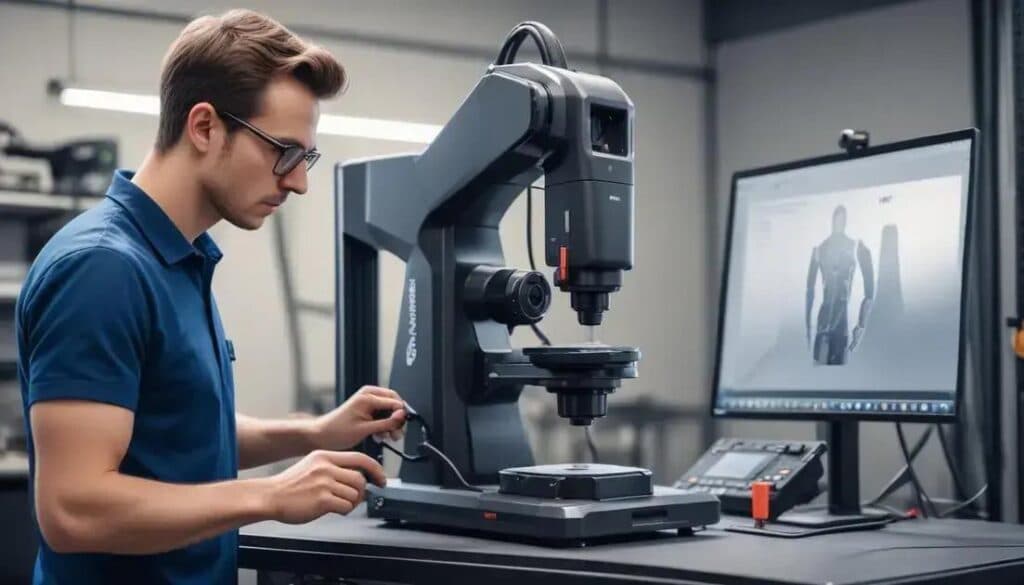
The cost of 3D scanning often raises questions, since it varies according to the project and the technology used. Do you want to better understand which factors change this value and how it plays out in practice? I will explain this to you clearly and simply, following everyday examples.
factors that influence the cost of 3D scanning
The cost of 3D scanning varies significantly because it depends on several factors that directly influence the final price. First, the complexity of the object to be scanned is crucial, since detailed or large models demand more time and advanced technology, which increases the cost. In addition, the choice of equipment has an equal impact, since more accurate and modern scanners tend to be more expensive to operate.
Another important aspect is where the service will be performed. Services in controlled environments are usually cheaper, since they make the work easier; however, in difficult or outdoor locations, there are additional costs related to logistics and preparation. Moreover, the time needed to perform the scanning and process the data affects the price, since longer processes require more dedication from the team.
Finally, it is essential to consider the experience of the professional or company providing the service, since well-known companies may charge more for guaranteeing quality and technical support. In short, understanding these factors helps you plan the budget better, since the investment is not standard and should be aligned with the specific needs of the project.
Equipment and technology
The choice of 3D scanner is one of the main determinants of cost, since there are various technologies such as laser, structured light, and photogrammetry, each with technical advantages and limitations. High-resolution equipment generates larger files and requires more time to process, which affects the price; however, it offers the accuracy that is indispensable for complex projects.
Object complexity and size
The larger and more detailed the object, the more complex the data capture will be. Thus, simple models can be scanned quickly, reducing the cost; however, intricate parts or parts with difficult surfaces increase the difficulty and, consequently, the price of the service. In summary, the nature of the object is a key factor in estimating costs.
how to calculate the price of a scanning service
Calculating the price of a 3D scanning service requires considering several parameters, since each project has unique needs that directly impact cost. First, the estimated time for data capture should be evaluated, since the longer the duration, the higher the amount charged. However, we should not forget post-processing time, which includes processing and organizing the data collected.
In addition, it is important to analyze the type of equipment used, since more advanced technologies generally have a higher operating cost, which is reflected in the final price. In short, additional costs such as travel and setup at the service site must also be considered, since they affect the total budget.
Another fundamental point is understanding the customer's specifications, since parts that require higher resolution and detail tend to increase the price, because they demand more care and specific resources. It is also worth noting that some professionals charge per project, while others use a technical hourly rate, which makes a difference in the calculation. Therefore, it is essential to align these conditions to avoid surprises and ensure an efficient and fair service.
Factors for estimating cost
Therefore, to calculate the price of the scanning service, you need to add up the operating time, post-processing, logistics costs, and technical specifics. In other words, this ensures a more accurate and transparent estimate.
Billing methods
There are different ways of billing, since some offer a fixed price per project, while others charge by the hour. Each method has its pros and cons; however, the choice should be based on the type and complexity of the scanning to be performed. In short, communicating this clearly is essential for customer satisfaction.
tips for saving without losing quality in 3D scanning
To save on 3D scanning services without giving up quality, it is essential to plan the project well from the start, since this avoids unnecessary spending on rework. Moreover, choosing to scan only the essential parts of the object can reduce service time and cost, while still ensuring that the most important areas have high resolution.
Another important tip is to choose suppliers that offer good value for money, since very low prices can hide a lack of quality. Therefore, always review portfolios and seek recommendations before signing a contract. In short, clear communication about expectations and needs avoids extra spending due to later adjustments.
In addition, considering alternative technologies, such as photogrammetry, which can be more affordable in certain cases, can be a good strategy, since it offers satisfactory accuracy for many projects. However, in projects that demand extreme accuracy, you should not cut costs too much, since quality may be compromised. In short, a balance between cost and quality is essential for good results.
Efficient planning
Clearly define what will be scanned and the levels of detail required to avoid additional costs. This decision is essential for controlling the budget and ensuring efficiency in the process.
Choosing a supplier
Researching and comparing different providers helps you find one that offers a good standard of service at a fair price. Moreover, clear contracts on scope help prevent unexpected extra costs.
Using appropriate technology
Selecting the right technology for the type of project avoids unnecessary spending on sophisticated equipment when it is not essential. Therefore, technology that is compatible with and adjusted to the demands of the work brings savings and maintains quality.