
Light-Curing Resin: The Importance of 3D Printing for Dentistry!
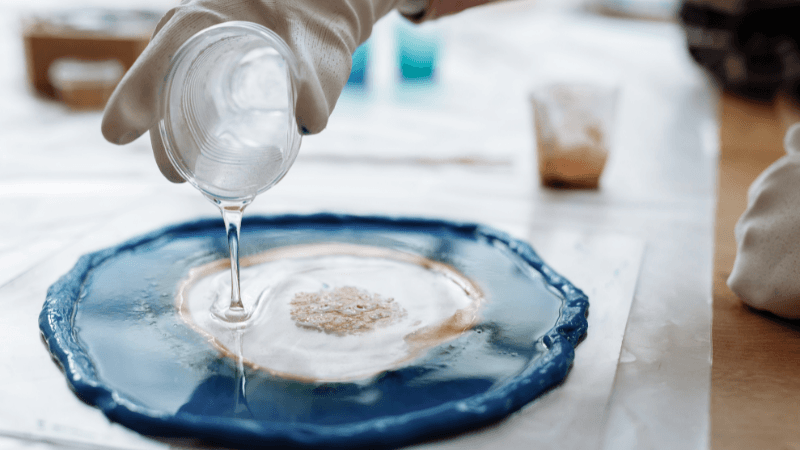
Light-curing resin is a liquid material that hardens when exposed to ultraviolet or visible light. In dentistry, it is used in restorations and in 3D printing of models, guides, and prostheses; in industry, in SLA and DLP printers. Below, how it works and what it is used for.
What Is Light-Curing Resin?
Light-curing resin, also known as UV resin or photosensitive liquid resin, is a material that becomes solid when exposed to ultraviolet (UV) light. It is widely used in 3D printing, especially in SLA (stereolithography) and DLP (Digital Light Processing) printers. The resin is liquid before exposure to UV light and solidifies in a precise, controlled way during the printing process.
How Does Light-Curing Resin Work in 3D Printing?
The 3D printing process with light-curing resin is fascinating and involves the following steps:
- Model Preparation: A 3D digital model of the desired object is created using 3D modeling software or obtained from a 3D scanner.
- Print Settings: The model is imported into the printing software, where settings such as layer thickness and infill density are defined.
- UV Light Exposure: The model is sliced into very thin layers and sent to the 3D printer. Inside the printer, a beam of UV light is projected onto a layer of liquid resin, hardening it. This forms the first solid layer of the object.
- Layer by Layer: The build platform is moved down, allowing a new layer of resin to be added and exposed to UV light. This process is repeated until the entire object is built, layer by layer.
- Post-Processing: After printing is complete, the object is carefully removed from the platform and, in some cases, undergoes additional curing under UV light. Supports, if used, are also removed, and the object can be polished or finished as needed.
Applications of Light-Curing Resin
Light-curing resin has a wide variety of applications in different sectors, thanks to its ability to produce objects with extraordinary detail and high precision. Some of the main application areas include:
- Dentistry: Dentistry uses light-curing resin to create dental prostheses, orthodontic appliances, and precise dental models.
- Medicine: In medicine, the resin is used to manufacture anatomical models, custom medical devices, and even organs in advanced research.
- Aerospace Sector: The precision of light-curing resin is crucial for manufacturing lightweight, strong components for aircraft and spacecraft.
- Jewelry: Resin is a popular choice in jewelry making for creating custom jewelry with intricate details.
- Architecture and Product Design: Architects and product designers use resin to create architectural models and high-quality prototypes.
Advantages of Light-Curing Resin
Light-curing resin offers several notable advantages:
- High Precision: It can produce objects with minute detail and excellent dimensional accuracy.
- Surface Quality: Objects printed in resin tend to have superior surface quality, requiring less post-processing.
- Variety of Materials: Resins are available for a variety of applications, including rigid, flexible, transparent, and colored resins.
- Customization: The ability to create custom objects is one of the greatest advantages of light-curing resin.
- Speed: Resin printing can be faster than other methods, especially for high-quality objects.
What Is Light-Curing Resin?
Light-curing resin is a type of material that becomes solid when exposed to ultraviolet (UV) light. This type of resin is widely used in 3D printing, especially in SLA (stereolithography) and DLP (Digital Light Processing) printers. Before exposure to UV light, the resin is liquid and malleable, allowing it to be shaped into precise three-dimensional objects during the 3D printing process. The ability to solidify precisely under control makes light-curing resin ideal for applications that require precise detail and high quality.
Importance of 3D Resin for Dentistry
3D resin plays a key role in modern dentistry. It is essential for manufacturing dental prostheses, orthodontic appliances, crowns, bridges, and precise dental models. 3D printing with light-curing resin offers significant advantages, such as the ability to produce high-quality custom parts in a short time. In addition, the resin is biocompatible, making it safe for dental use, and its precision allows an accurate fit, reducing the need for later adjustments.
Light-Curing Resin Restoration with 3D Printing
Dental restoration with light-curing resin and 3D printing has revolutionized dental procedures. This technology allows the creation of custom restorations, such as crowns and implants, of high quality and perfect fit. The process involves scanning the affected tooth, custom design of the digital restoration, and 3D printing the restoration in resin. This approach minimizes patient discomfort, saves time, and delivers exceptional aesthetic and functional results.
Light-Curing Resin: How Long Does It Last?
The durability of light-curing resin can vary depending on the quality of the resin, conditions of use, and proper care. In general, light-curing resin restorations have a significant service life and can last many years when properly cared for. However, like any dental material, they can wear down over time due to daily use, eating habits, and oral hygiene. Periodic evaluation by the dentist is essential to monitor the integrity of the restorations and ensure oral health is maintained.
Step-by-Step Guide to Hiring 3D Printing Services from Technosim
Technosim is a company specializing in 3D printing services, including reverse engineering, parts and equipment maintenance services, machining and tooling, and part localization. Hiring its services is a simple and effective process:
- Initial Contact: Contact Technosim through its official website, phone, or email.
- Requirements Discussion: Discuss your 3D printing requirements in detail with a Technosim representative. Be sure to explain the type of service desired, the part dimensions, the materials needed, and relevant technical specifications, such as localization standards.
- Custom Quote: Technosim will provide a custom quote based on the information provided. Be sure to discuss deadlines, costs, and any special requirements during this process.
- Quote Approval: After receiving the quote, review it and approve it if you are satisfied with the terms and conditions.
- Project Start: Once approved, the project will be started by Technosim, which will use high-quality resin printers to meet your specific needs.
- Tracking and Delivery: Follow the project's progress as needed and wait for delivery of the finished part or product.
Technosim specializes in providing custom, high-quality 3D printing solutions, meeting the demands of reverse engineering, parts and equipment maintenance, machining and tooling, and part localization. Be sure to communicate your requirements clearly to ensure the project is completed successfully.