
Resin Printer: How It Works, Which Is Best, How to Hire, and More!
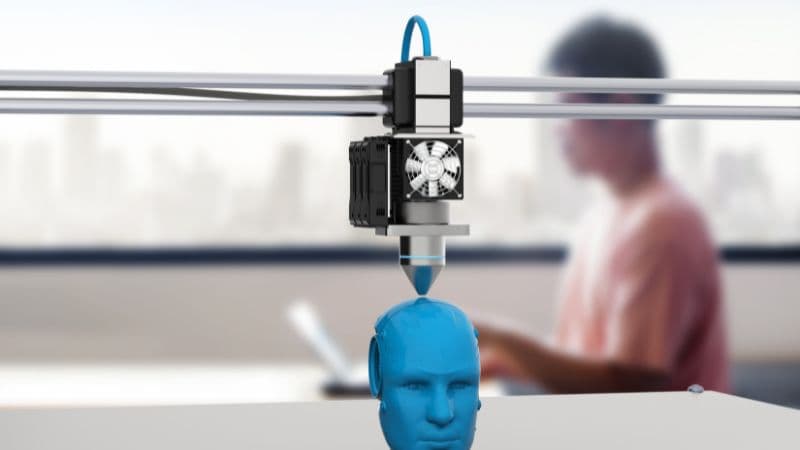
A resin printer is a 3D printer that solidifies liquid resin with ultraviolet light, layer by layer (SLA, DLP, and LCD technologies). It delivers more detail and a better finish than filament printers. Below, how it works, where it is used, and when to hire printing services.
What Is a Resin Printer?
A resin printer, also known as an SLA (stereolithography) or DLP (Digital Light Processing) printer, is a type of 3D printer that uses a photosensitive liquid resin as its base material. Instead of depositing layers of melted filament, as in FDM (Fused Deposition Modeling) 3D printers, resin printers use an ultraviolet (UV) light polymerization process to create three-dimensional objects.
How Does a Resin Printer Work?
How a resin printer works is fascinating. Here is a simplified summary of the process:
- 3D Modeling: The first step is to create a 3D digital model of the object you want to print. This can be done using 3D modeling software or by obtaining a model from a 3D scan.
- Model Preparation: The digital model is prepared for printing, which includes slicing into extremely thin layers and generating supports to hold the parts of the object in position during printing.
- UV Light Exposure: The resin printer uses a laser or a DLP projector to project a thin layer of the model's 2D image onto the liquid resin. The UV light hardens the resin where it is exposed, creating the first solid layer of the object.
- Platform Lift: After UV exposure, the build platform is raised or lowered, depending on the printer type, to prepare the next layer of liquid resin.
- Repeating the Process: The process is repeated, layer by layer, until the object is completely formed. The supports are also hardened during the process.
- Post-Processing: After printing, the object is removed from the platform and the supports are cut off. In addition, some prints may require extra curing under UV light or a solvent bath to remove any uncured resin.
Applications of the Resin Printer
Resin printing offers a wide variety of applications across many sectors, thanks to its ability to produce highly precise objects with exceptional detail. Some of the main application areas include:
- Design Prototyping: The precision and detail of resin printing make it ideal for creating product prototypes in sectors such as product design, jewelry, and architecture.
- Dentistry: Dentistry uses resin printers to manufacture custom dental prostheses, orthodontic appliances, and implant models.
- Medical Sector: Resin printing is used to create anatomical models for surgical planning, custom medical devices, and even organs in medical research.
- Aerospace Industry: In the aerospace industry, resin printers are used to create precise, lightweight parts, such as aircraft components.
- Jewelry and Fashion: Precision and the ability to produce detailed objects make resin printing a popular choice for manufacturing custom jewelry and fashion accessories.
- Architecture: Architects use resin printers to create building models and scale mock-ups with high fidelity.
Advantages of the Resin Printer
Resin printing offers several notable advantages:
Precision and Detail: The ability to produce objects with incredible detail makes resin printing ideal for high-precision applications.
Variety of Materials: Many resins are available, including rigid, flexible, transparent, and colored resins, suited to a variety of needs.
Speed: Resin printing can be faster than some 3D printing methods, especially for detailed objects.
Customization: Customization is a hallmark feature, with the ability to create unique objects tailored to individual needs.
Rapid Prototyping: Resin printing is widely used for rapid product prototyping, saving time and resources.
High Surface Quality: Objects printed in resin generally have high surface quality and a smooth finish.
Which Is Better: Resin or Filament?
The choice between resin and filament depends on the needs of the project. Each has its advantages and disadvantages. Resin is preferable when precision and detail are essential, as in dentistry, jewelry, and high-quality prototyping. Filament is more versatile and economical, suiting larger projects and cases where surface quality is not as critical. Ultimately, the choice depends on the project specifications and the user's priorities.
How Does a Resin 3D Printer Work?
A resin 3D printer operates in stages. First, a 3D digital model is prepared in the printing software. Next, the printer projects a thin layer of liquid resin onto a build platform. A UV light source selectively hardens the resin where it strikes, forming the first layer of the object. The platform is then lowered to allow the next layer to form, repeating the process until the object is completely built. Post-processing can include support removal, additional curing, and surface finishing.
What Is the Best Resin 3D Printer?
Choosing the best resin 3D printer depends on the user's specific needs. Some of the main resin printer manufacturers include Formlabs, Anycubic, Peopoly, and Prusa Research. Popular models include the Formlabs Form 3, Anycubic Photon, Peopoly Moai, and Prusa SL1. The best printer depends on factors such as budget, desired build size, print quality, and ease of use.
How to Hire Resin 3D Printing Services from Technosim?
Technosim is a company specializing in resin 3D printing services, which include reverse engineering, parts and equipment maintenance services, machining and tooling, and part localization. To hire these services, follow these steps:
- Contact Technosim: Contact Technosim through its official website, phone, or email to start the quoting process and discuss the project requirements.
- Discuss Project Details: Provide specific details about your project, including the type of service desired, the part dimensions, the materials needed, and relevant technical specifications, such as localization standards.
- Receive a Custom Quote: Technosim will provide a custom quote based on the information provided. Be sure to discuss deadlines, costs, and any special requirements during this process.
- Approve the Quote: After receiving the quote, review it and approve it if you are satisfied with the terms and conditions.
- Project Start: Once approved, the project will be started by Technosim, which will use high-quality resin printers to meet your specific needs.
- Tracking and Delivery: Follow the project's progress as needed and wait for delivery of the finished part or product.
Technosim specializes in providing custom, high-quality resin 3D printing solutions, meeting the demands of reverse engineering, parts and equipment maintenance, machining and tooling, and part localization. Be sure to communicate your requirements clearly to ensure the project is completed successfully.