
Color 3D Printer: How It Works, Price, and Which Is Best
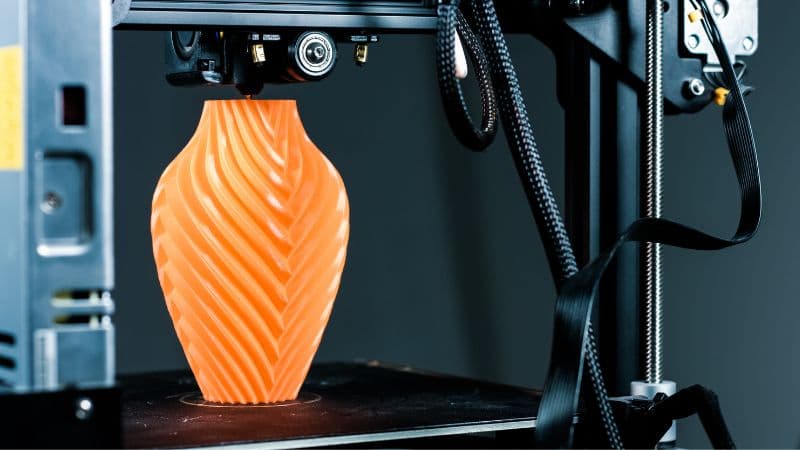
A color 3D printer produces parts in multiple colors in a single print, using material jetting, powder with a colored binder, or automatically swapped filaments. Below, we explain how each technology works, what determines the price, and when it pays off.
How a Color 3D Printer Works
Color 3D printers are similar to traditional 3D printers, but with one major difference: they can produce objects in multiple colors in a single print. This is made possible by a variety of techniques, including:
Multi-Filament Extrusion
In this method, the 3D printer uses multiple print heads, each loaded with a different color of filament.
As the printer builds the object layer by layer, it automatically selects the appropriate print head for the desired color.
Color Mixing Process
Some color 3D printers use a color mixing process, in which primary-color filaments are blended to create a range of intermediate colors.
This is similar to the mixing of inks in a traditional inkjet printer.
Transparent Layer Printing
Another technique involves printing transparent layers and then applying colored ink over those layers. This gives the final object a colored appearance.
Applications of Color 3D Printing
Color 3D printing has a wide range of applications across many sectors. Here are some notable examples:
Prototyping and Product Design
The ability to create prototypes in color lets designers see how their final products will look before mass production. This saves time and money in the development process.
Dentistry
In dentistry, color 3D printers are used to create prostheses, orthodontic appliances, and realistic dental models in natural colors.
Medicine
In medicine, color 3D printing is used to create detailed anatomical models that help surgeons with planning and training, as well as custom prostheses.
Entertainment Sector
In the entertainment industry, such as film and video games, color 3D printers are used to create costumes, props, and realistic models.
Architecture
Architects use color 3D printing to create detailed scale models of buildings and projects, allowing clients to better visualize the final result.
Education
Color 3D printing also plays a crucial role in education, allowing students to visualize complex concepts in a tangible way.
Current Trends in Color 3D Printing
As color 3D printing technology continues to evolve, several trends are emerging:
Advanced Materials
New materials, such as photopolymer resins and colored filaments, are expanding the possibilities for colors and textures in 3D printing.
High-Definition Printing
High-definition color 3D printers are becoming more accessible, enabling the creation of objects with impressive detail.
Electronics Integration
Some 3D printers are embedding electronics directly into printed objects, creating functional and aesthetically appealing devices.
Mass Customization
The ability to customize is being explored in sectors such as fashion, jewelry, and consumer products.
Sustainability
The pursuit of more sustainable 3D printing materials and methods is becoming an important trend, aimed at reducing waste and environmental impact.
What is a color 3D printer?
A color 3D printer is a variant of 3D printing technology that makes it possible to create three-dimensional objects in a wide range of colors in a single print.
While traditional 3D printers generally produce objects in a single color or material, color 3D printers add the ability to print objects in multiple colors, delivering a visually striking and versatile finish.
These printers use different methods, such as multi-filament extrusion and color mixing, to achieve this result. They are used in a variety of applications, from product design to dentistry and entertainment.
How are colored parts made on a 3D printer?
Creating colored parts on a 3D printer is a process that involves careful selection of materials and printer setup. The main approach to producing colored parts is to use filaments of different colors, each loaded into a separate print head.
As the printer builds the layers of the object, it automatically selects the appropriate print head for the color desired in that specific part of the object. This allows colored objects to be created without the need for post-processing.
It is also possible to add color after printing, using techniques such as painting or coating the parts. In addition, some color 3D printers have advanced features, such as the ability to blend filaments during printing to create a wide range of intermediate colors.
Price of a professional color 3D printer
The price of a professional color 3D printer varies considerably, depending on the brand, model, and specific features. These printers are generally more expensive than conventional 3D printers because of the advanced technology involved in color printing.
The price can range from a few hundred dollars for entry-level models to tens of thousands of dollars for high-quality professional color 3D printers.
It is also important to consider the ongoing costs associated with color 3D printing, such as the cost of colored filaments, maintenance, and repairs.
To determine the right price for a professional color 3D printer, it is essential to consider your specific needs and intended use, as well as the technical support available.
What is the best color 3D printer?
Choosing the best color 3D printer for reverse engineering, part and equipment maintenance services, machining and tooling companies, part localization applications depends on several factors, including part quality, accuracy, build volume size, and cost.
It is crucial to select a printer that meets the specific needs of these applications. It is also important to consider the availability of technical support and service.
Some well-regarded color 3D printer models for these applications include the Stratasys J750, the 3D Systems ProJet 660Pro, the HP Jet Fusion 580/380, and the Markforged Mark Two. These printers offer high accuracy, print quality, and advanced features that can be crucial for reverse engineering, part maintenance, and part localization.
The choice should be based on each company's specific needs and budget, also taking into account the maintenance and technical support offered by the manufacturers.