
3D Printer for Jewelry: How to Use, Materials, and Price
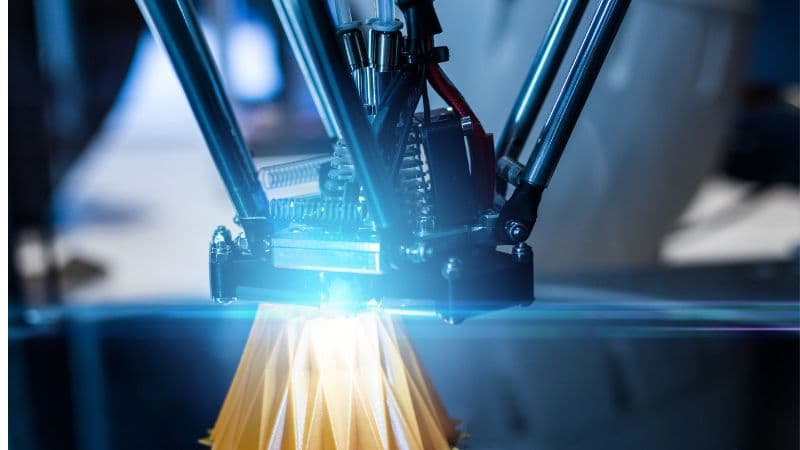
In jewelry making, the resin 3D printer produces castable or wax models that go straight to lost-wax casting, with details that are hard to achieve by hand. Below, how to use it, the materials, and what drives the cost.
What Is 3D Printing for Jewelry?
3D printing for jewelry is a technology that allows three-dimensional jewelry pieces to be created through a process of adding material in layers.
Instead of using traditional casting and manual modeling methods, 3D printing allows jewelry designers to create digital models that are then printed in a variety of materials, such as precious metals, resins, or waxes.
How Does 3D Printing for Jewelry Work?
The 3D printing process for jewelry involves several steps:
- Digital Design: The designer creates a digital model of the desired piece of jewelry using 3D modeling software. This model is detailed and customized to the client's specifications.
- Print Preparation: The digital model is then prepared for printing by slicing it into layers and setting print parameters such as resolution and material.
- 3D Printing: The 3D printer builds the piece of jewelry layer by layer, depositing the desired material according to the digital model's instructions. This can be done using various methods, such as stereolithography (SLA), selective laser sintering (SLS), or lost-wax casting.
- Post-Processing: After printing, the piece goes through a finishing process that may include polishing, assembly, and even the addition of gems or additional details.
Applications of 3D Printing for Jewelry
3D printing for jewelry has a wide range of applications:
- Custom Personalization: The technology allows designers to create custom jewelry pieces according to the client's preferences and requirements, resulting in exclusive, one-of-a-kind jewelry.
- Rapid Prototyping: Designers can create prototypes of new jewelry designs quickly and economically, speeding up the development process.
- Reproduction of Antique Pieces: 3D printing is used to reproduce antique or rare pieces that may be hard to find or too expensive on the market.
- Intricate Design: The precision of 3D printing allows the creation of intricate, detailed designs that would be hard to achieve with traditional methods.
- Casting Mold Creation: 3D printing is used to create precise molds for the casting process, saving time and reducing material waste.
Advantages of 3D Printing for Jewelry
3D printing offers several significant advantages in the jewelry industry:
- Customization: Customers can get custom jewelry according to their preferences and needs.
- Production Efficiency: The technology speeds up the production process, allowing designers to produce pieces more quickly.
- Unlimited Design: Design freedom is unlimited, allowing the creation of unique, complex pieces.
- Waste Reduction: On-demand production reduces material waste, making it a more sustainable option.
- Faithful Reproduction: 3D printing allows the faithful reproduction of antique or rare pieces.
Where to Hire 3D Printing Services for Jewelry?
Finding a company that offers 3D printing services for jewelry is crucial for anyone who wants to venture into this area.
Many specialized companies offer custom 3D printing services for jewelry making. When choosing a service provider, take into account:
Experience in the jewelry industry.
Portfolio of previous work.
Available printing technologies.
Material options.
Reputation and customer feedback.
Can You Use a 3D Printer for Jewelry?
Yes, it is entirely possible to use a 3D printer to create jewelry. 3D printing has revolutionized the jewelry industry, giving designers and jewelers the ability to produce unique, custom pieces more efficiently than traditional manufacturing methods.
3D printing technology is especially well suited to jewelry production because of its ability to create intricate details and complex designs.
How Do You Use a 3D Printer for Jewelry?
The process of using a 3D printer for jewelry involves several steps:
- Digital Design: The first step is to create a digital model of the desired piece of jewelry. This is done using 3D modeling software, which allows the designer to create a detailed model of the piece.
- Print Preparation: The digital model is then prepared for printing. This involves slicing the model into layers and setting print parameters such as resolution and material.
- Material Selection: The material to be used for printing is chosen based on the type of jewelry being created. Precious metals, resins, and waxes are common materials for 3D-printed jewelry.
- 3D Printing: The 3D printer builds the piece of jewelry layer by layer, depositing the material according to the digital model's instructions.
- Post-Processing: After printing, the piece of jewelry goes through a finishing process, which may include polishing, setting gems, and other final details.
What Material Is Used for Jewelry in a 3D Printer?
Various materials are used in 3D printing of jewelry, depending on the specifications and the desired result. Some of the most common materials include:
- Precious Metals: These include gold, silver, and platinum. These metals are often used to create fine, high-value jewelry.
- Resins: Photosensitive resins are used to create models that can later be used in casting precious metals. These resins are known for their high resolution and detail.
- Waxes: Wax is often used in models for jewelry casting. Wax-printed models can be used to create casting molds.
Price of a 3D Printer for Jewelry
Prices of 3D printers for jewelry vary significantly based on the brand, model, and features of the machine. High-precision, high-quality 3D printers made specifically for jewelry making can range in price from a few thousand to tens of thousands of dollars.
It is important to consider the specific needs of your business or project when choosing a 3D printer for jewelry, since investing in a high-quality machine can result in long-term savings and better production quality.
How Much Does an Hour of 3D Printer Time Cost?
The hourly cost of using a 3D printer can vary considerably. Factors that affect the cost include the type of printer, the material used, and the complexity of the project.
High-quality industrial 3D printers generally have a higher hourly operating cost because of energy consumption and high-performance materials.
For companies that offer 3D printing services, the hourly price can be calculated based on operating costs, including electricity, machine maintenance, material consumption, and labor costs.
These costs vary with location and market conditions. It is advisable to contact specific 3D printing service providers to get accurate quotes based on your project's needs.
Reverse Engineering
The field of reverse engineering has benefited significantly from 3D printing in the jewelry industry. It involves creating 3D digital models from existing physical pieces, allowing jewelers to reproduce or modify existing designs with precision and ease.
Using 3D printers in reverse engineering simplifies the process, saves time, and reduces the risk of errors.
By scanning jewelry pieces with a 3D scanner, designers can create accurate digital models that can be 3D printed. This is particularly valuable for reproducing antique pieces or for creating new versions of classic designs.
Parts and Equipment Maintenance Service
3D printing is not limited to creating jewelry; it also plays a crucial role in parts and equipment maintenance services in the jewelry industry.
3D printers can be used to create custom spare parts or repair damaged components of machines and equipment. This reduces downtime and the costs associated with replacing entire parts, making maintenance more efficient and economical.
Machining and Toolmaking Company
Machining and tooling shops that serve the jewelry industry are also adopting 3D printing. The technology allows the production of precise casting molds, speeding up the manufacturing process.
In addition, 3D printing is used to create custom jigs and fixtures that make machinists' work easier. The combination of traditional machining and 3D printing offers greater flexibility and efficiency in producing jewelry parts.
Part Localization
The ability to produce jewelry pieces locally and customize them to the specific needs of a national market is one of the advantages of 3D printing.
This opens up opportunities for the localization of jewelry parts, meeting the specific demands of different regions. 3D printing enables on-demand production and customization, which is essential for meeting local preferences and fashion trends.