
3D Sculpting: What It Is, Differences, and How to Use It
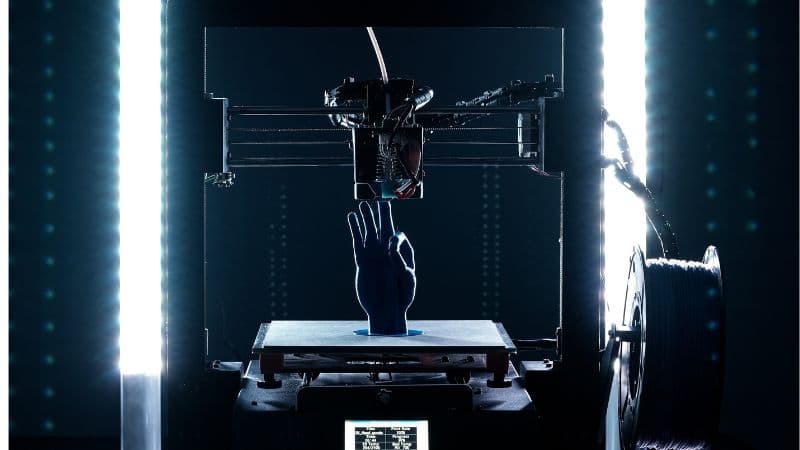
3D sculpting is the digital modeling of organic forms, as if the artist were shaping clay on the computer, in programs such as ZBrush and Blender. Unlike CAD modeling, it prioritizes free form and detail, and the result can be 3D printed or machined.
What Is 3D Sculpting?
3D sculpting is a form of artistic expression that uses digital tools to create virtual three-dimensional objects.
Unlike traditional sculpture, which involves manipulating physical materials such as stone, clay, or metal, 3D sculpting operates in a virtual environment. This allows artists to sculpt, model, and transform objects in three-dimensional space using 3D modeling software.
The Origins of 3D Sculpting
3D sculpting has roots dating back to the emergence of the first computer graphics programs in the 1950s and 1960s.
These early attempts were limited by the limited processing power of the computers of the time.
As technology advanced, more sophisticated 3D modeling programs emerged, allowing digital artists to create increasingly complex virtual sculptures.
With the growth of the internet and the availability of affordable 3D modeling tools, 3D sculpting became more widely accessible to a variety of artists, designers, and technology enthusiasts. Today, 3D sculpting is a vibrant, constantly evolving artistic discipline.
3D Sculpting Techniques and Tools
3D sculpting involves creating virtual three-dimensional models using a variety of techniques and tools. Some of the most common methods include:
- Polygonal Modeling: This is a modeling technique that uses simple geometric shapes, such as polygons, to create 3D models. Digital artists can adjust the shape and texture of the polygons to create complex objects.
- Digital Sculpting: This technique mimics traditional sculpting, allowing artists to sculpt the model digitally, often using a pressure-sensitive digital pen or a graphics tablet.
- Volume-Based Modeling: In this approach, the model is created by adjusting volumes in three-dimensional space, adding or removing virtual material.
- Surface Modeling: Artists work on the surfaces of the models to create complex details, such as wrinkles, textures, and patterns.
3D sculpting tools range from open-source modeling software, such as Blender, to professional applications, such as ZBrush and Mudbox.
Many of these tools are highly specialized, offering advanced features for artists and designers.
Applications of 3D Sculpting
3D sculpting has a wide variety of applications across different sectors:
- Entertainment Industry: In film, games, and animation, 3D sculpting is used to create characters, scenery, and three-dimensional objects that come to life on screen.
- Design and Prototyping: In industrial design, 3D sculpting is used to create virtual product prototypes, saving time and resources in the development phase.
- Architecture: 3D sculpting is valuable for architects in creating virtual scale models and realistic visualizations of construction projects.
- Digital Art: Many digital artists use 3D sculpting as a form of artistic expression, creating works that push the limits of creativity.
- Education: 3D sculpting is a valuable educational tool, allowing students and educators to explore three-dimensional concepts interactively.
Challenges and Future of 3D Sculpting
Despite the many advantages of 3D sculpting, it also presents challenges, such as the steep learning curve associated with some modeling tools and the need for powerful hardware for rendering and animation.
The future of 3D sculpting is exciting, with continuous advances in technology, such as virtual reality and 3D printing, which are transforming the way artists and designers create and share three-dimensional works.
3D sculpting is becoming more accessible and integrated into many aspects of everyday life.
What Is the Difference Between Sculpting and Modeling?
The fundamental difference between sculpting and modeling lies in the technique and medium used to create three-dimensional works.
Sculpting involves removing or adding material to a physical piece, such as wood, stone, or clay, to carve a desired shape. Modeling, on the other hand, is a digital technique that takes place in a virtual environment, where artists use 3D modeling software to create three-dimensional forms without having to handle physical materials.
While sculpting is a traditional three-dimensional art form, modeling is a more contemporary practice that explores the digital possibilities of creation.
How Do You Do 3D Sculpting?
Doing 3D sculpting involves several steps:
- Choose the Software: The first step is to select 3D modeling software, such as Blender, ZBrush, or Maya. There are free and paid options, suited to different skill levels.
- Learn the Tool: Mastering 3D modeling software can take time, and artists usually devote themselves to learning the available tools and techniques.
- Develop the Idea: Before starting to sculpt, it is important to have a clear idea of what you want to create. Many artists start with sketches or visual references.
- Model and Sculpt: With the chosen software, the artist begins to model and sculpt the desired object in a virtual environment, using techniques such as polygonal modeling or digital sculpting.
- Texture and Render: After creating the 3D model, you can add textures, colors, and lighting to make it more realistic. The object is then rendered, producing final images or animations.
How Do You Use 3D Sculpture for Walls?
A 3D sculpture can be an impressive addition to wall decor. There are several ways to use 3D sculptures on walls:
- Choosing the Sculpture: Select or create a 3D sculpture that complements the aesthetics and style of the space.
- Material and Size: Consider the sculpture's material and its size relative to the wall. Smaller sculptures can be grouped together, while larger sculptures can be the focal point of the room.
- Placement: Think about where to place the sculpture on the wall. It can be centered, asymmetrical, or spread across a composition.
- Lighting: Use appropriate lighting to highlight the sculpture. Directional lighting can create dramatic shadows and bring out the sculpture's details.
- Secure Mounting: Make sure to mount the sculpture securely on the wall to prevent accidents.
Where to Hire a Company That Provides 3D Printing Services?
Hiring a company that offers 3D printing services, such as Part Localization, Reverse Engineering, Parts and Equipment Maintenance Services, and Machining and Tooling, can be a smart choice in many situations. To find a reliable company, follow these steps:
- Online Research: Do an online search to find companies that offer the 3D printing services you need. Check the companies' websites, portfolios, and contact information.
- Recommendations: Ask colleagues, friends, or professional networks who may have experience with 3D printing companies for recommendations.
- Quotes: Contact several companies to request quotes and compare prices, lead times, and the services offered.
- Reputation and Reviews: Check the companies' online reviews and reputation to make sure they have a solid track record.
- References: Ask for references or examples of previous projects to assess the quality of the company's work.
A reliable 3D printing company should be able to provide custom solutions for your specific needs, whether in reverse engineering, parts and equipment maintenance, machining and tooling, or part localization.
3D sculpting is an exciting form of digital art that combines creativity and technology. The ability to create virtual three-dimensional models offers endless possibilities for artists and designers.
In addition, 3D printing is a growing technology that plays a crucial role in many industries, from medicine to engineering. Finding a reliable 3D printing company can be the first step toward carrying out innovative and effective projects.